- Introduction: Why Your Brand Is More Than Just A Logo
- What Is Brand Identity Exactly?
- Finding Your Purpose: The Heartbeat Of Your Brand
- Identifying Your Target Audience
- Performing A Thorough Competitor Analysis
- Developing A Unique Brand Voice
- Crafting A Visual Identity That Pops
- The Role Of Logo Design In Recognition
- Understanding Color Psychology And Its Impact
- Selecting The Right Typography For Your Vibe
- Building A Comprehensive Set Of Brand Guidelines
- Why Consistency Is The Ultimate Secret Sauce
- Aligning Your Brand Identity With Customer Experience
- How To Adapt Your Identity As You Grow
- Conclusion: Staying True To Your Brand Journey
- Frequently Asked Questions
Introduction: Why Your Brand Is More Than Just A Logo
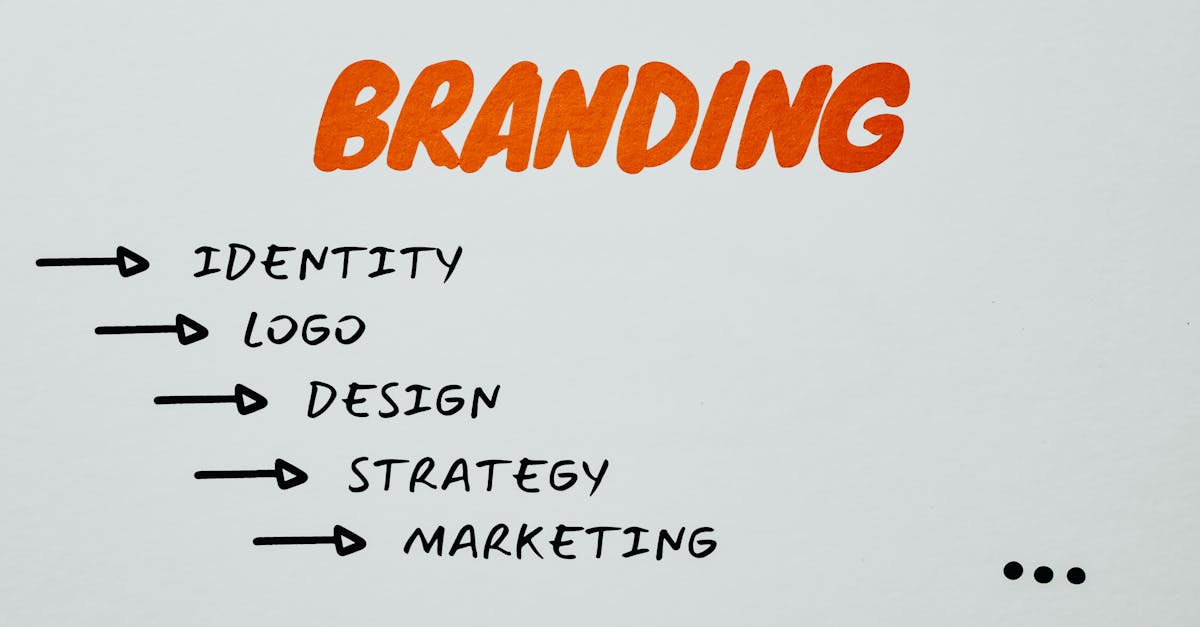
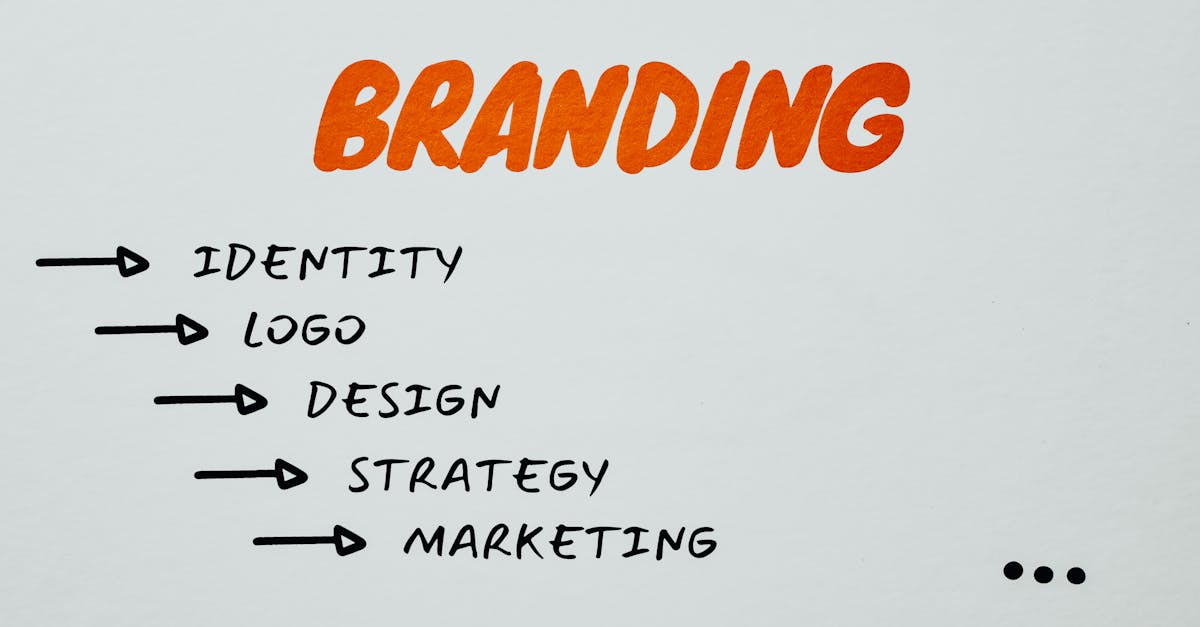
Have you ever walked into a coffee shop and felt an immediate sense of belonging before even taking a sip of your drink? That is not an accident. That is the power of a strong brand identity. People often mistake a brand for a clever logo or a catchy slogan, but those are just the surface level details. Think of your brand identity as your company’s personality. It is the sum of everything your audience sees, hears, and feels when they interact with you.
What Is Brand Identity Exactly?
Brand identity is the visible elements of a brand, such as color, design, and logo, that together identify and distinguish the brand in the consumer’s mind. It is like the way you dress, speak, and carry yourself in a room. It tells the world who you are, what you stand for, and why they should care. If your identity is confused or inconsistent, your audience will feel that friction immediately.
Finding Your Purpose: The Heartbeat Of Your Brand
Before you choose a font or a color palette, you need to go deeper. What is the soul of your business? If your brand were a person, what would keep them up at night? Why does your business exist beyond just making money? This purpose acts as your compass. When you have a solid mission, every other decision about your brand identity becomes much easier to make.
Identifying Your Target Audience
Who are you trying to reach? If you try to speak to everyone, you end up speaking to no one. You need to identify your ideal customer. What are their pain points? What kind of language do they use? When you tailor your identity to a specific group, you build a connection that is far more powerful than a general marketing campaign.
Performing A Thorough Competitor Analysis
You cannot stand out if you do not know where everyone else is standing. Look at your competitors. What are they doing well? Where are they failing? Find the gaps in the market. Maybe your competitors are all super formal and corporate. If your audience is looking for something more human and approachable, that is your opportunity to carve out a unique space.
Developing A Unique Brand Voice
Your brand voice is how you communicate with your world. Are you a witty best friend? Are you a wise mentor? Are you a bold challenger? You need to define your tone. Once you pick a voice, you must stick with it. It is like meeting someone who changes their accent every five minutes; you would not trust them, would you?
Crafting A Visual Identity That Pops
Visuals are the first thing people notice. This is where your logo, your website design, and your social media aesthetics come into play. Your visuals should be a direct reflection of your personality. If you are a playful toy company, you should not be using dark, rigid lines and deep greys.
The Role Of Logo Design In Recognition
Your logo is your signature. It needs to be simple, memorable, and scalable. Think about the Nike swoosh or the Apple icon. They are incredibly simple, yet they communicate everything about the brand. Do not overcomplicate this. Less is almost always more in design.
Understanding Color Psychology And Its Impact
Colors trigger emotions. Blue often conveys trust and professionalism, which is why banks use it. Red triggers urgency and excitement. You should pick a color palette that aligns with the emotional experience you want your customers to have. Do not just pick colors because you like them; pick colors because they work for your audience.
Selecting The Right Typography For Your Vibe
Fonts carry personality too. A serif font feels traditional and reliable, while a sans serif font feels modern and clean. Your typography should be legible, but it should also complement your overall style. Mixing too many fonts can make your brand look chaotic and unprofessional.
Building A Comprehensive Set Of Brand Guidelines
Once you have all these elements, write them down. Create a style guide. This document should explain exactly how your logo should be used, what your tone of voice is, and what colors are allowed. This ensures that no matter who is working on your content, the brand stays consistent.
Why Consistency Is The Ultimate Secret Sauce
Consistency is what builds trust. If your website is friendly but your emails are robotic, your customers will get confused. You want every touchpoint to feel like the same person is talking to them. Trust is the currency of business, and consistency is how you earn it.
Aligning Your Brand Identity With Customer Experience
Your identity is not just what you say; it is what you do. If your brand promises high quality, but your customer service is terrible, your identity will fall apart. Everything from your return policy to the way you pack your products should reflect your core brand values.
How To Adapt Your Identity As You Grow
Your brand does not have to be set in stone forever. As your business evolves, your identity might need to shift too. That is okay. Just make sure the transition is gradual and authentic. You do not want to alienate the people who built your business in the first place.
Conclusion: Staying True To Your Brand Journey
Building a strong brand identity is not a one time task. It is a journey. It requires deep reflection, careful planning, and an unwavering commitment to consistency. When you show up as your authentic self, your audience will naturally gravitate toward you. Remember, the goal is not to be the biggest brand, but the most trusted one. Keep experimenting, keep learning, and keep building.
Frequently Asked Questions
1. How long does it take to build a strong brand identity?
It is not an overnight process. While you can establish the basics in a few weeks, a strong identity is refined over months and years of consistent interaction with your customers.
2. Can a small business compete with big brands?
Absolutely. Small businesses often have the advantage of being more agile, personal, and authentic. You can build a loyal community that big, faceless corporations cannot replicate.
3. Is it okay to change my brand identity later?
Yes, but do it strategically. Rebranding should be done to better serve your audience or reflect your growth, not just because you got bored with your current look.
4. Do I need to hire a professional designer?
While you can start on your own, hiring a professional can help ensure your identity is cohesive and polished. If your budget is tight, focus on clarity and consistency above all else.
5. What is the most important element of brand identity?
Consistency. No matter how great your logo or color scheme is, if it changes constantly or does not match your company values, it will fail to make an impact.