How To Use SEO To Strengthen Your Marketing
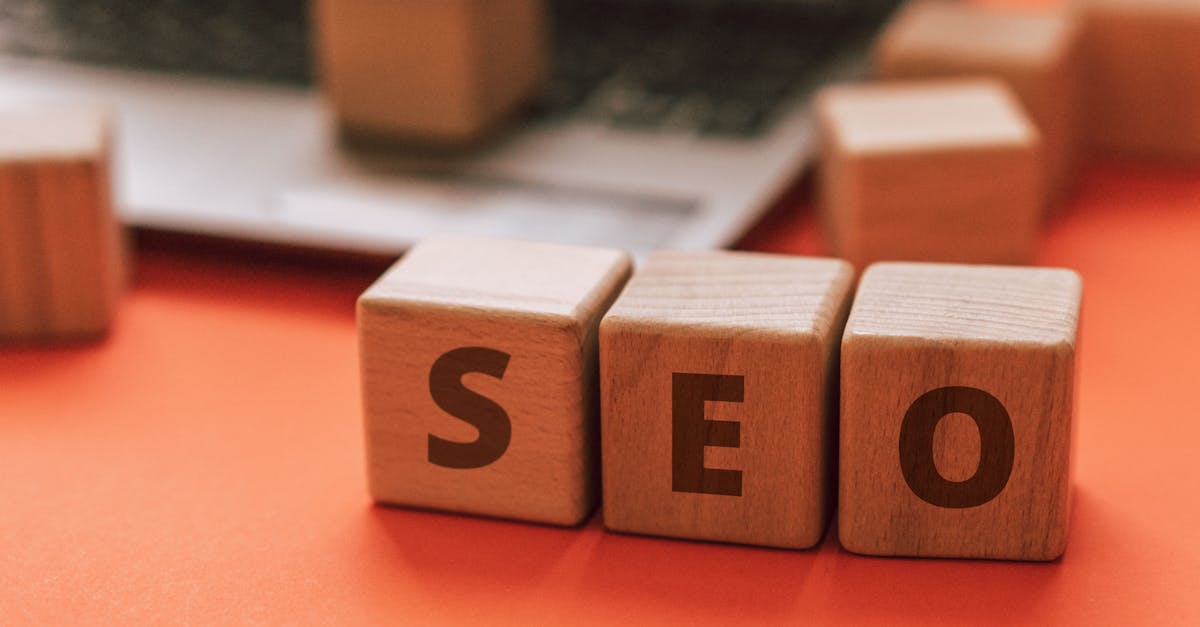
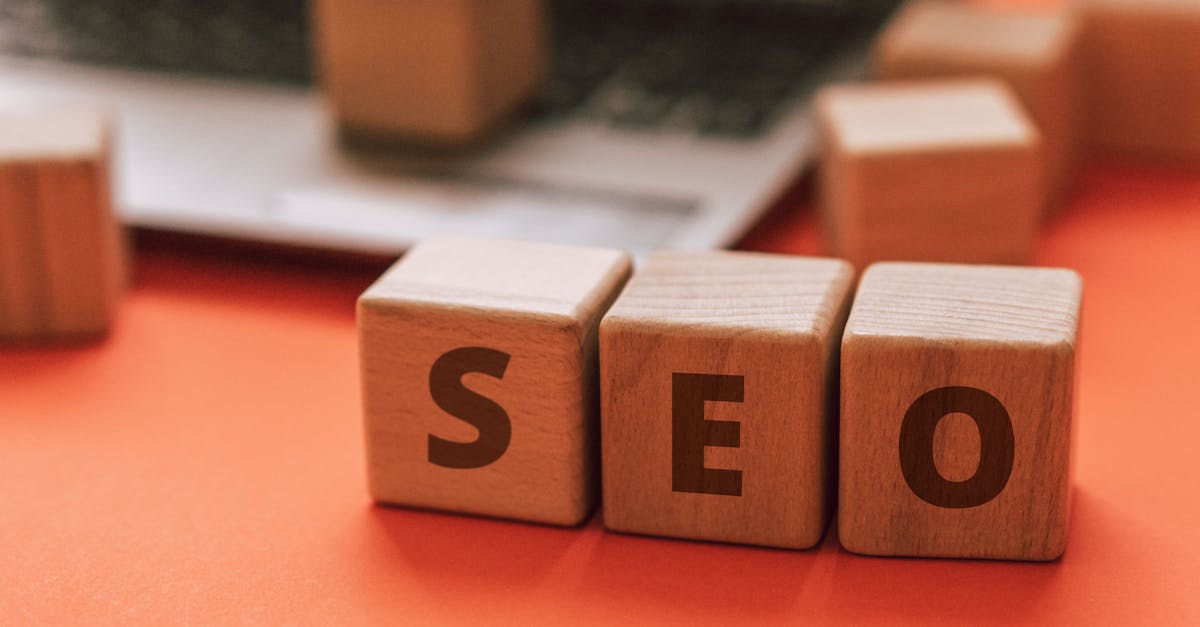
Have you ever felt like you are shouting into a void with your marketing efforts? You pour hours into social media posts and expensive ads, but the results stay flat. That is where Search Engine Optimization or SEO comes into play. Think of SEO as the foundation of a house. You can decorate your walls with fancy ads and build a beautiful front door with branding, but if the foundation is cracked, the whole structure will eventually settle or sink. SEO is how you make sure your house stands tall on the digital landscape.
Why SEO Is The Backbone Of Your Digital Strategy
Most people treat SEO as a separate silo, like a technical chore for developers. That is a massive mistake. SEO is marketing. It is the practice of meeting your customers exactly where they are—at the moment they have a problem and are searching for a solution. When you use SEO to strengthen your marketing, you are not just chasing clicks; you are building an ecosystem of authority and trust that turns strangers into loyal fans.
The Art Of Keyword Research Beyond The Basics
Keyword research is not just about finding high volume terms and stuffing them into a blog post. It is detective work. You are looking for the psychological triggers of your audience. Use tools to see what questions your competitors are answering—and more importantly, which ones they are ignoring. Look for long tail keywords, which are longer, more specific phrases. They often have less traffic, but the people searching for them are much more likely to convert because they know exactly what they want.
Understanding Search Intent: The Secret Sauce
If you don’t understand why someone is typing a phrase into Google, your content is already dead in the water. Intent is the “why” behind the search. Are they just browsing for information, or are they ready to pull out their credit card? If your content doesn’t match that intention, Google will penalize your ranking because the user will bounce back to the search results immediately.
Informational Intent: Building Trust With Knowledge
When someone searches for “how to fix a leaking faucet,” they don’t want to buy a plumbing business yet. They want to know the steps. If you provide a comprehensive guide that actually helps them, you become a trusted resource. Trust is the currency of the internet, and once you have it, you can guide them toward your product or service naturally.
Transactional Intent: Turning Clicks Into Customers
This is where the magic happens. A search for “best plumbing service near me” signals that the person is ready to hire. Your SEO strategy here should focus on landing pages, clear calls to action, and social proof like testimonials. These pages need to be optimized for conversion, not just for search bots.
On Page Optimization: Crafting Content For Humans And Bots
Think of your web page as a physical storefront. You need an inviting sign, a logical layout, and a helpful staff. On page optimization is your digital storefront manager. Use descriptive headers, include your keywords naturally, and write meta descriptions that actually encourage people to click. Never prioritize keywords over clarity. If it sounds robotic, a human will leave, and if a human leaves, your SEO will suffer.
The Power Of User Experience UX In Ranking
Google loves sites that people enjoy using. If your site is cluttered, hard to navigate, or full of annoying popups, you are losing. UX is now an SEO ranking factor. If your visitors are clicking the back button, Google sees that as a red flag. Keep your design clean, your navigation intuitive, and your content readable.
Technical SEO: Keeping The Engine Running Smoothly
Technical SEO is the invisible part of the web. It involves things like site structure, crawling, and indexing. If your site has broken links or crawl errors, Google cannot index your content properly. It is like trying to sell a product that is locked in a basement where nobody can find it. Fix your site health, and the rankings will follow.
Mobile Optimization: A Non Negotiable Necessity
We live in a mobile first world. Most of your traffic probably comes from smartphones. If your site is not responsive, meaning it adapts perfectly to smaller screens, you are effectively turning away half of your potential customers. Google uses a mobile first index, meaning it looks at your mobile version to determine your rank, not the desktop version.
Page Speed: The Need For Digital Velocity
Have you ever waited more than three seconds for a page to load? You probably left, right? So does everyone else. Page speed is a critical ranking factor. Optimize your images, use efficient code, and invest in decent hosting. A fast site is a conversion machine, while a slow site is a leaky bucket.
Content Marketing And SEO: A Match Made In Heaven
Content is the fuel for your SEO fire. Without fresh, valuable, and consistent content, your site is stagnant. Don’t just blog for the sake of blogging. Create content that solves real problems. Use case studies, data driven reports, and expert interviews. This positions your brand as an industry authority, which makes it much easier to attract organic traffic.
Building Authority With Strategic Link Building
Backlinks are essentially votes of confidence from other websites. When a reputable site links to your content, it tells search engines that you are a trusted source. But do not buy links or use spammy tactics. Focus on building relationships. Write guest posts for respected industry publications or create data studies that people naturally want to reference in their own writing.
Measuring Your Success: Beyond Vanity Metrics
Don’t fall into the trap of only looking at traffic numbers. Traffic is a vanity metric if it does not lead to sales, leads, or engagement. Look at your bounce rate, your time on page, and your conversion rates. Which pages are actually moving the needle for your business? Focus your energy on those, and stop worrying about being number one for a keyword that brings you zero value.
Future Proofing Your Strategy In The AI Era
With the rise of AI in search engines, the game is changing. Information is becoming easier to access directly on the search results page. To stay ahead, focus on what AI struggles to replicate: unique perspectives, personal experiences, and expert opinions. Be the brand that provides the insight that the machine cannot generate on its own.
Conclusion
SEO is not a magic pill that fixes your marketing overnight, but it is the most sustainable way to grow your brand. By aligning your technical site structure, your content, and your user experience with the genuine needs of your audience, you transform your website into a powerful asset. Keep it human, stay helpful, and remember that behind every search query is a real person looking for an answer. Give them that answer, and they will keep coming back to you.
Frequently Asked Questions
1. How long does it take for SEO efforts to show results?
SEO is a marathon, not a sprint. Typically, you can expect to see meaningful results within four to six months of consistent effort, depending on the competitiveness of your industry.
2. Do I need to be a technical expert to do SEO?
Not at all. While there is a technical component, much of SEO is about creating great content and understanding human behavior. You can learn the basics or hire specialists to handle the heavy technical lifting.
3. Is link building still relevant today?
Yes, absolutely. High quality backlinks act as trust signals. They remain one of the most important factors for ranking well, especially for competitive keywords.
4. How does social media affect my SEO?
Social media does not directly affect your rankings, but it indirectly helps by driving traffic, increasing brand awareness, and potentially leading to more people linking to your site.
5. Can I just use AI to write all my SEO content?
You can use AI as a writing assistant, but relying on it entirely is a bad idea. Google values human expertise and original insight. If your content sounds like every other AI generated article, you will struggle to build a unique connection with your audience.