How To Grow Your Brand With Smart Marketing
Building a brand today is like trying to whisper in a hurricane. Everyone is shouting, everyone is selling, and everyone is vying for the limited attention span of your potential customer. But here is the secret: you do not need a bigger megaphone. You just need to speak directly to the people who actually care about what you have to say. Smart marketing is not about tricking people into buying things; it is about building a relationship that feels inevitable. It is the bridge between who you are as a business and who your audience needs you to be.
The Foundation Of A Powerful Brand Identity
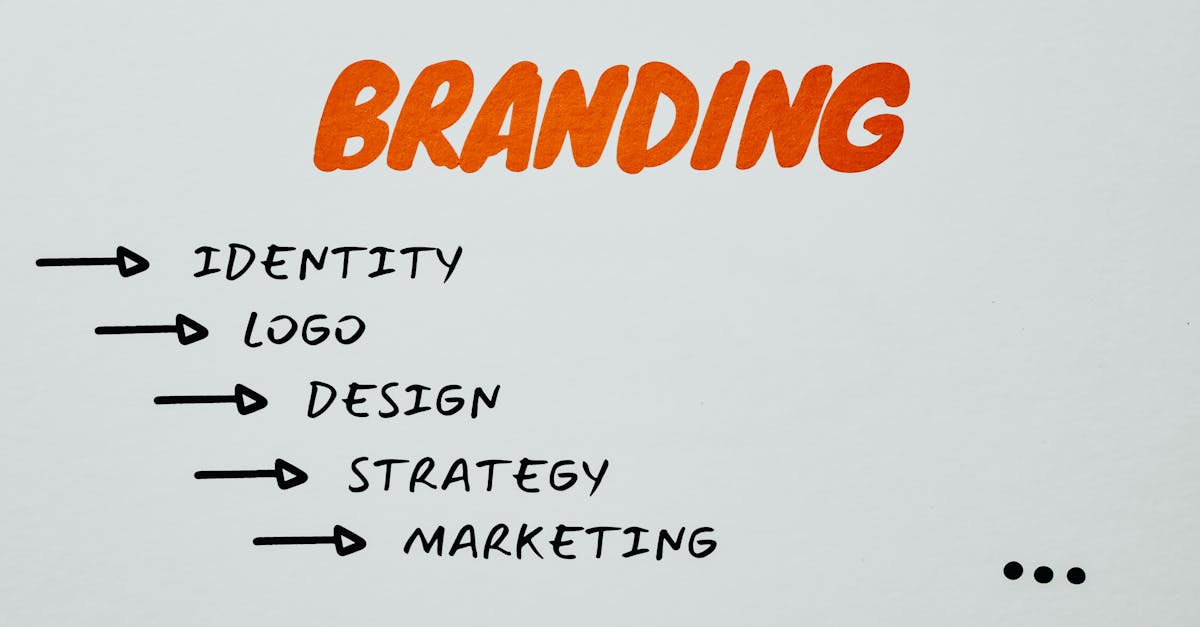
Before you spend a single dollar on advertisements, you need to define your core. What is your brand identity? If your brand were a person, would they be the reliable accountant or the adventurous traveler? This identity dictates your voice, your design choices, and your behavior in the market. Think of your brand identity as the DNA of your company. It is not just a logo or a color palette; it is the vibe you emit when someone visits your website for the first time. If that vibe is cluttered, inconsistent, or fake, people will smell it from a mile away.
Understanding Your Target Audience On A Deeper Level
You cannot be everything to everyone. In fact, if you try to appeal to everyone, you will end up appealing to no one. Smart marketing starts with a sniper approach rather than a shotgun approach. You need to know your audience better than they know themselves.
Beyond Demographics: Psychographics Matter
Sure, knowing that your customer is between 25 and 40 years old is fine, but it tells you almost nothing about their buying habits. You need to dig into psychographics. What keeps them awake at 3:00 AM? What are their hidden desires? What makes them angry? When you map out the emotional triggers of your audience, your marketing stops being an annoyance and starts being a solution. It is like having a conversation with an old friend rather than a cold call from a stranger.
The Art Of Storytelling In A Noisy Digital World
People do not buy products; they buy better versions of themselves. This is where storytelling becomes your greatest tool. Humans are wired for narratives. We have been sitting around campfires sharing stories for thousands of years, and that has not changed just because we now stare at glowing rectangles all day.
Why Your “Why” Is Your Biggest Asset
Simon Sinek famously said that people do not buy what you do, they buy why you do it. Your mission statement is the heartbeat of your marketing. Why did you start this business? Is it to solve a specific pain point? Is it to challenge an industry status quo? When you wrap your product in a narrative that resonates with the values of your customers, you turn them into advocates. An advocate will talk about your brand for free, which is the ultimate marketing goal.
Leveraging Content Marketing To Build Authority
Content is the fuel for your brand engine. Without it, you are just a storefront with no personality. However, the internet is flooded with mediocre blog posts and low effort videos. To stand out, you must focus on extreme value.
Providing Value Before Asking For The Sale
Marketing is a game of reciprocity. If you give someone something valuable for free—like an insightful guide, a helpful tutorial, or even just a good laugh—you create a subtle social obligation. People want to support those who have helped them. If you only ask for the sale, you are a solicitor. If you educate and entertain first, you are a mentor.
Educational Content As A Trust Engine
When you answer the specific questions your customers are searching for, you establish yourself as the expert in the room. This builds trust, and trust is the fastest way to shorten the sales cycle. If a customer trusts you, they do not need to hunt for the cheapest option. They want the option that comes from the authority they have learned to rely on.
Harnessing Social Media Authentically
Social media is not a place for brochures. It is a place for conversation. If your feed is just endless posts about your latest discount, you are doing it wrong. You need to be human. Show behind the scenes footage of your team. Share the mistakes you made and how you learned from them. Vulnerability is a secret weapon in building brand loyalty.
The Power Of Building A Community Instead Of A Following
A following is a list of people who might watch your stuff. A community is a group of people who talk to each other about your stuff. Communities provide peer to peer support and create a self sustaining marketing ecosystem. When your customers start answering each other’s questions, you have officially moved from a brand into a movement.
Data Driven Decisions: Listening To The Numbers
Smart marketers do not guess; they measure. You have access to more data than any marketing genius of the past. Use it. Look at which blog posts get the most time on page. Check which social media posts get the most shares. If something is working, double down on it. If it is flopping, do not be afraid to kill the idea and try something new. Being flexible is a competitive advantage.
The Role Of Influencer Partnerships And Social Proof
We are social creatures, and we look to others to tell us what is good. This is the psychology of social proof. Influencer marketing works not because the person has a lot of followers, but because they have a high level of trust within their niche. Find creators who truly believe in your product. A single testimonial from someone your audience admires is worth more than a thousand flashy banner ads.
Staying Consistent Across Every Touchpoint
Consistency is the secret sauce of branding. If your website is serious and corporate, but your Instagram is chaotic and sarcastic, you will confuse your potential customers. Confusion leads to hesitation, and hesitation kills sales. Ensure that every email, every tweet, and every customer service interaction feels like it comes from the same source. When the experience is seamless, people stop thinking about your company as a vendor and start seeing it as a partner.
Conclusion
Growing a brand is a marathon, not a sprint. It requires patience, a deep understanding of your audience, and the courage to be authentic. When you stop chasing trends and start building real connections through storytelling and value, you create a brand that can survive any market shift. Remember, marketing is not just about making a sale today; it is about building the foundation for a lifetime of brand loyalty. Start small, be consistent, and keep your customer at the center of every decision you make. You have the tools and the power to build something incredible; now you just need to start.
Frequently Asked Questions
1. How do I know if my brand identity is working?
You know it is working when your audience starts using your language, when your customer acquisition costs stabilize, and when you receive organic feedback that aligns with the values you want your brand to project.
2. Is content marketing really necessary for every business?
Yes, because content is the only way to establish digital authority. If you do not provide context and information, your potential customers will look for it somewhere else, and they will likely end up buying from the person who provided that value.
3. How much should I spend on marketing to see growth?
Growth is not exclusively linked to budget. It is linked to intelligence. Start with a budget you can afford to lose, test small, and only scale the campaigns that provide a positive return on investment. It is better to have a small, highly effective campaign than a massive, ineffective one.
4. How do I handle negative feedback on social media?
Do not delete it unless it is abusive. Address it publicly and with empathy. Often, a quick and humble response to a complaint can show the world that your company cares about its customers, which can actually strengthen your reputation more than a fake pristine image.
5. Should I focus on one social platform or all of them?
Go where your audience is. It is much smarter to be a powerhouse on one platform like LinkedIn or Instagram than to have a weak, ghost town presence on five different platforms. Master one channel first, then expand once you have the resources.